Choose a powder route from the requirement—not the label.

Start with the application, a current supplier grade or the target specification. Compare the published product data, then send the requirements needed to select a grade and prepare a quotation.

6 families5 specification pages + 1 premix route
67 gradesPublished product specifications
COA basisActual product and batch results
24 hoursInitial technical response

Use the information already in your RFQ.

Describe the application, name the grade you use today or share a target specification. We review the material, process and quantity together.

Describe the process, part and required powder behaviour.

Prepare an application RFQ

Compare the material and its process.

Five families provide specifications for 67 grades. Bonded premixes are reviewed by formulation and process. Use the tables to shortlist a powder; actual product and batch results are assessed against the COA.

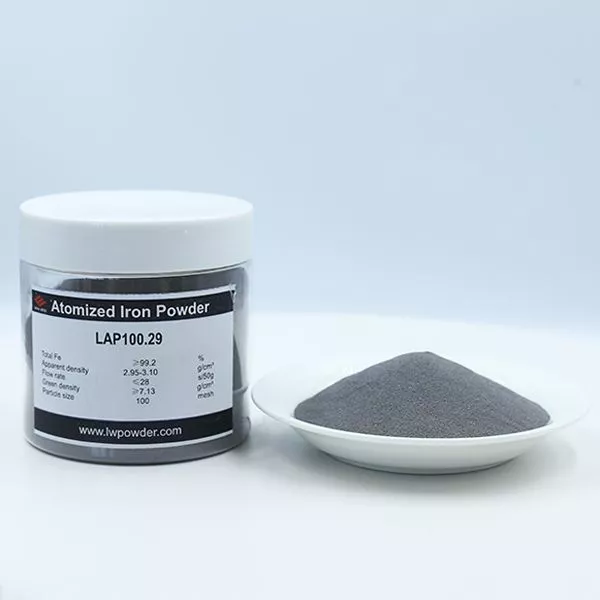
Representative water-atomized iron powder
Water-atomized iron powder

Water Atomized Iron Powder

Four powder-metallurgy grades and two welding-consumable grades, discoverable by application or technical series.

Current scope
6 grades
Review basis
Chemistry · particle size · apparent density · flow
Release evidence
Product specification and batch COA
View grades & specifications
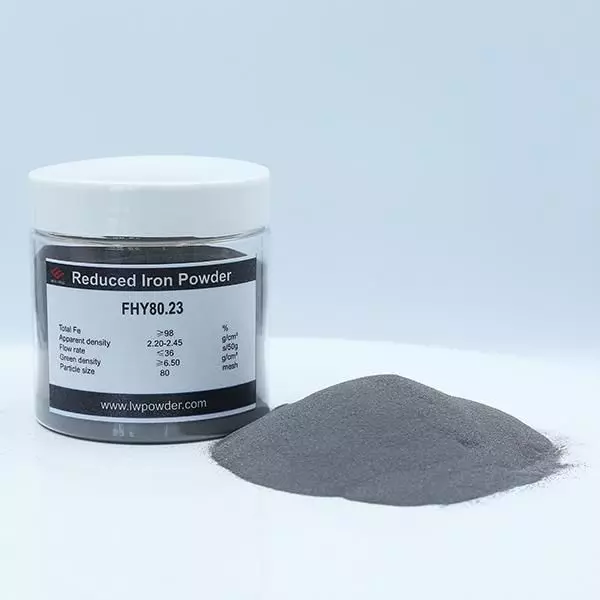
Representative sponge and reduced iron powder
Sponge / reduced iron powder

Sponge / Reduced Iron Powder

Seventeen grades across 80, 100, fine and coarse series. Compare iron content, powder behaviour and particle distribution against your process.

Current scope
17 grades
Review basis
Chemistry · density · flow · particle-size distribution
Release evidence
Product specification and batch COA
View grades & specifications
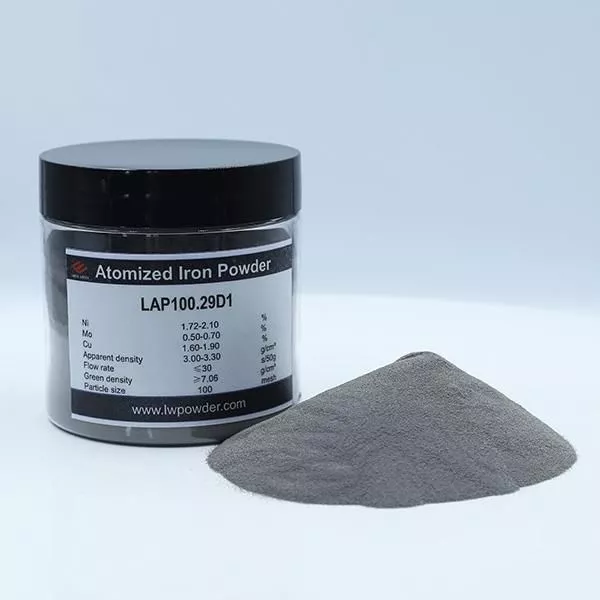
Representative diffusion-alloyed steel powder
Alloyed steel powder

Alloyed Steel Powder

Fifteen grades across pre-alloyed, molybdenum-alloyed, free-cutting, phosphorus-alloyed and diffusion-alloyed series.

Current scope
5 series · 15 grades
Review basis
Alloying route · chemistry · particle profile · compaction basis
Release evidence
Product specification and batch COA
View grades & specifications
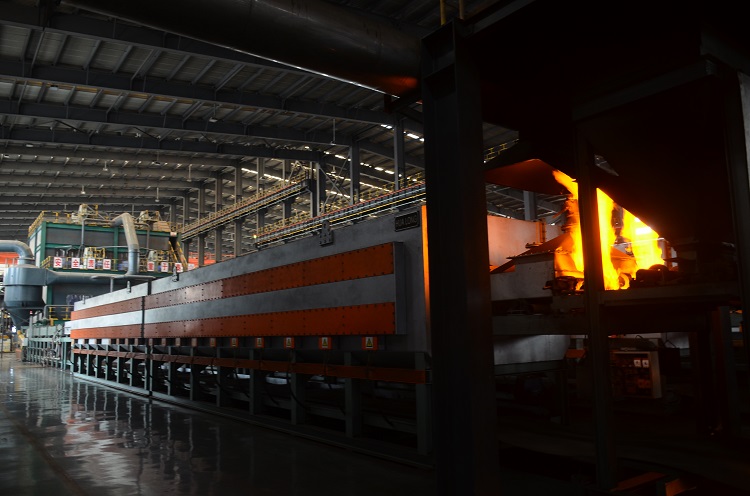
Luyin production workshop used as manufacturing context for a bonded premix review
Production context—not a finished premix grade

Bonded Premixes

A formulation-led powder-metallurgy route that brings the base powder, alloying additions and lubricant together for the intended compaction and sintering process.

Current scope
Formulation and process review
Review basis
Base powder · additives · compaction · sintering target
Selection basis
Agreed formulation, part requirements and batch COA
Review the premix process
Molten-metal production context for stainless and MIM powder qualification
Production context—not a stainless or MIM grade sample

Stainless Steel & MIM Powders

Fifteen grades across two forming routes: pressed stainless steel powder for compaction and sintering, and powder for metal injection molding.

Current scope
2 forming routes · 15 grades
Review basis
Alloy · particle profile · forming route · oxygen / flow
Selection basis
Forming method, product specification and batch COA
View grades & specifications
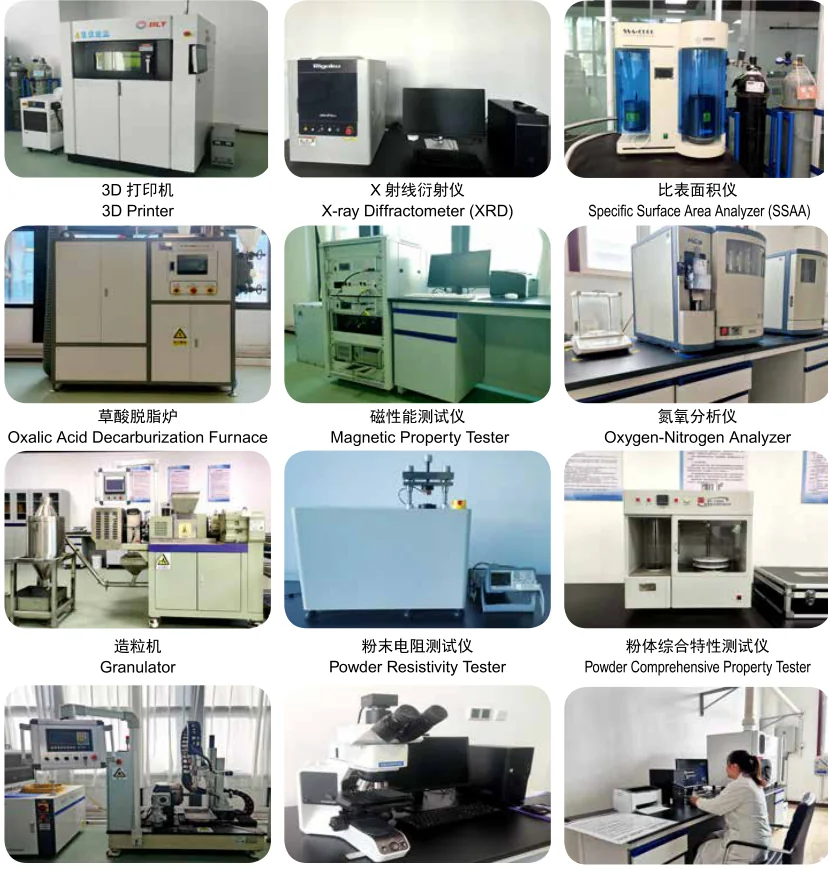
Luyin research and testing equipment used for controlled product qualification
R&D qualification context—not a functional powder grade sample

Functional & Fine Iron Powders

Fourteen specified grades cover diamond catalysts, diamond tools, soft-magnetic applications and surface repair. Ultra-fine and carbonyl requirements are discussed separately.

Current scope
14 specified grades + fine-powder enquiry routes
Review basis
Function · chemistry / phase · particle profile · test method
Selection basis
Application test, product specification and batch COA
View grades & specifications

Connect the part or process to a powder family.

Start with the function the powder must perform. These application examples help identify a family to review; suitability still depends on the selected grade, manufacturing conditions and agreed evaluation.

Automotive & motorcycle components

Gears, gear hubs, shift components and inner or outer rotors for variable valve timing (VVT). Share the part drawing, compaction and sintering route, and the required component properties.

Water-atomized iron · Alloyed steel · Bonded premixes

Home appliances & industrial components

Pressed and sintered parts for appliance and industrial assemblies. Begin with part geometry, density, dimensional tolerances and the working environment.

Water-atomized iron · Sponge / reduced iron

Welding electrodes

Iron powder for the electrode formulation. Provide the electrode type, required particle distribution, chemistry limits and the formulation or process test used to qualify it.

Atomized iron routes · Reduced iron routes

Diamond synthesis catalysts

Choose the catalyst material around the diamond synthesis process. Share the composition basis, operating conditions and method for evaluating the synthesis result.

Review catalyst powders

Diamond tools

Metal bond or matrix requirements for diamond cutting and grinding tools. Specify the workpiece material, tool-making route, matrix composition and wear test.

Review diamond-tool powders

Soft-magnetic components

Powder cores, rings and other magnetic parts. Define the forming route, magnetic targets, test frequency, insulation needs and heat-treatment conditions.

Review soft-magnetic powders

Pressed stainless steel parts

Stainless components made by compaction and sintering. Provide the alloy requirement, part geometry, corrosion environment, density and sintering conditions.

Review pressed stainless powder

Metal injection molding

Complex metal parts formed through a powder-and-binder feedstock. Review powder chemistry, distribution and morphology alongside the binder, debinding and sintering process.

Review the MIM route

Surface coating & repair

Powder deposition or surfacing on a component. Define the substrate, deposition method, particle window, coating composition and the required repair or wear response.

Review coating powders

Friction materials & flame cutting

These established application routes need separate reviews. For friction, share the formulation and friction or wear test; for flame cutting, share the equipment, process and mesh requirement.

Sponge / reduced iron · Water-atomized iron

Catalogue application examples and established product routes are starting points for technical discussion. They do not identify customers, endorsements or approved use in a particular vehicle, appliance or component.

Select with the specification. Verify with the COA.

The catalogue provides the product specifications shown on these pages. The COA is the basis for the actual product and batch results; confirm availability and application fit when requesting a quotation.

Shortlist a grade
Product specification
Compare chemistry, particle distribution, density, flow and the stated test conditions.
Check the process
Your application
Share the operating conditions, required result, trial quantity and evaluation method.
Review the material
Batch COA
Check the actual batch results against the agreed specification and acceptance requirements.

Prepare one comparable technical inquiry.

Share what is known. Purchasing and technical review use the same requirement brief and identify any missing evidence.

Purchasing receives
Supply scope, trial route and quotation inputs
Technical receives
Product route, evidence gaps and qualification path
Response commitment
Initial technical response within 24 hours

Continue to the enquiry form.

Add your contact details and requirements on the Contact page.

Continue to enquiry

Share your requirement once, in one form.